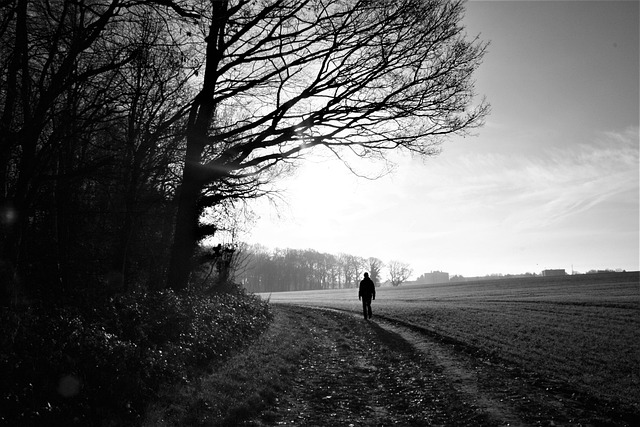
What to bring
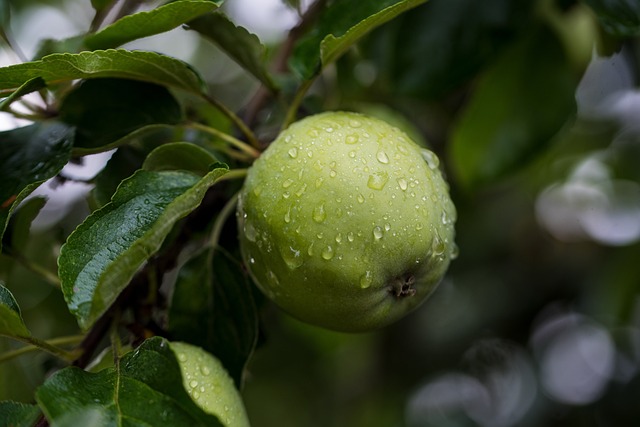
Comfortable footwear for grass or gravel paths, a light layer for changing weather, and water for longer walks. If you plan to take close-up photos, a small cloth helps with lenses in mist or drizzle.
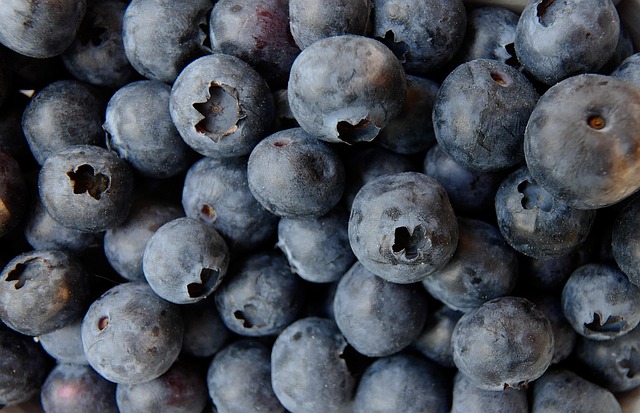
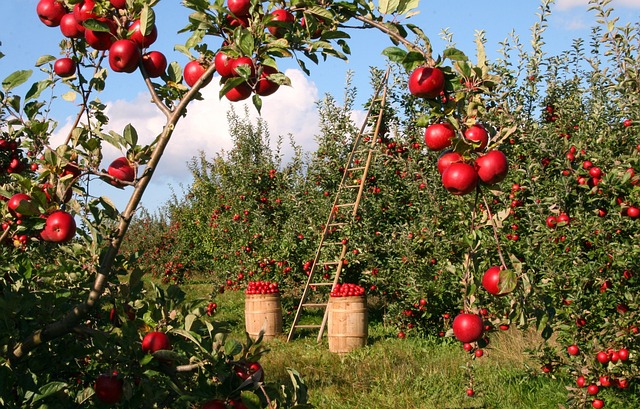
Planning tip: if your main interest is blossoms, aim for spring; for picking photos, autumn often provides the most classic harvest visuals.
Orchards are working landscapes. A visit usually includes walking along rows of trees, pausing by blossom clusters or ripening fruit, and taking in the changes across the season. Conditions underfoot can vary after rain, and paths can be uneven where trees meet grass margins. If you are visiting with a group, a calm pace and shorter loops tend to work well. For photography, the light is often soft in the morning and late afternoon, and the cream and pink tones of blossoms show clearly against deeper reds in fruit baskets later in the year.
If you want to match your visit to a specific fruit, use the seasonal calendar for guidance. On arrival, it is sensible to check signage and follow any orchard instructions. If you have accessibility needs or want to discuss timing, contact us before you travel so we can share practical suggestions.
Comfortable footwear for grass or gravel paths, a light layer for changing weather, and water for longer walks. If you plan to take close-up photos, a small cloth helps with lenses in mist or drizzle.
Irish orchard conditions can change quickly. After rain, some areas can be soft underfoot. Plan for flexible timing and check conditions by contacting us if you are travelling far.
Orchards may include uneven ground, narrow gateways, and seasonal surfaces. If you require step-free access, a shorter route, or parking considerations, please contact us in advance so we can share practical options.
Orchards are carefully maintained. Stay on marked paths where available, avoid disturbing trees and blossom clusters, and follow any posted guidance. This helps protect the next stage of the season for everyone.
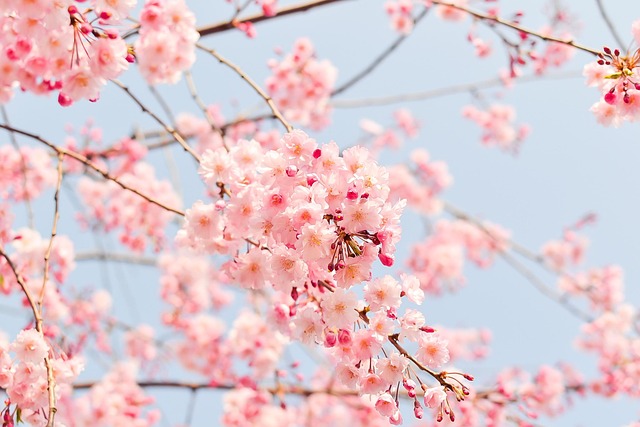
If you are choosing a month, start with what you want to see. Spring is the blossom period that shapes the whole year and creates the soft pink and cream palette many visitors look for. Summer tends to suit berry-focused visits and shorter walks. Autumn often brings the classic orchard atmosphere with deeper colour, fuller baskets, and the broadest variety of tree fruit. Winter is usually quieter and is more about understanding orchard care than viewing fruit on trees.
Because fruit and blossom timing can shift, treat seasonal notes as guidance. If your trip is fixed, contact us with your dates and what you hope to see, and we will respond with practical suggestions.
Blossom-focused visits are often best for gentle light and orchard photography. It is a good time for quieter walks and observing pollination and early growth.
Berries are often the seasonal highlight. Plan for shorter windows of peak ripeness and consider an early visit for cooler conditions during warmer weeks.
Apples and pears typically mature later. This is a strong choice if you want harvest imagery, baskets, and a broader range of orchard scenes.
The orchard is in maintenance mode. A winter visit can be useful for understanding pruning and long-term care, with fewer people and a quieter setting.
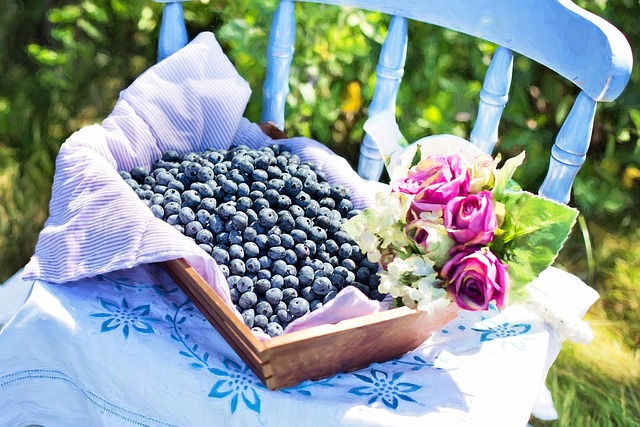
If you have a specific goal for your visit, the fastest way to plan is to pair the seasonal calendar with a short message. Tell us what fruit you are interested in, whether you are visiting for photography or a relaxed walk, and any accessibility considerations. We respond with practical guidance so you can choose the most suitable time and prepare for typical orchard conditions.